
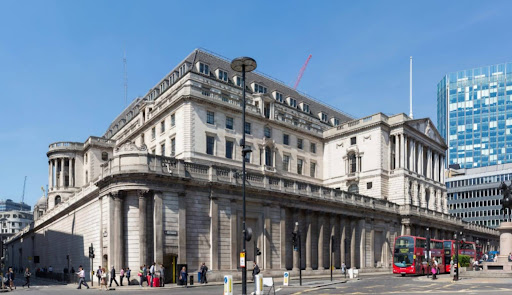
The Bank of England’s decision to hold rates at 3.75% on Thursday may have looked straightforward on the surface, but behind the unanimous vote lies deepening concern about the inflationary consequences of the ongoing war in the Middle East. Officials warned that the US-Israel conflict against Iran has pushed global energy prices higher in ways that could force the Bank to raise borrowing costs before the summer. The message from Threadneedle Street was unmistakable: calm now, but potentially action soon.
The Iran conflict has disrupted global energy markets significantly, sending oil and gas prices upward and threatening to reverse the disinflationary trends that had been building in the UK economy. The Bank had expected inflation to approach the 2% target around April, but now projects it rising to approximately 3.5% in March and remaining elevated throughout 2026. This shift in the inflation outlook has prompted a parallel shift in the internal debate within the monetary policy committee.
Governor Andrew Bailey said the conflict had introduced a new and unwelcome variable into the Bank’s calculations. He acknowledged the early impact on petrol prices and flagged the potential for higher household energy bills if supply disruption persists. While he cautioned against overdramatic interpretations of the Bank’s stance, he made clear that the institution was prepared to act if conditions required it.
Markets took a hawkish view of the communication. UK government bond yields climbed, the FTSE 100 fell, and the pound gained against the dollar as traders moved to price in potential hikes in June and later in the year. Analysts noted that five-year fixed mortgage rates were already reflecting the changed expectations.
Within the committee, views have clearly evolved. Some members who had been leaning toward rate cuts before the war now speak of caution, while others have indicated openness to tightening if inflation proves stubborn. For UK households already dealing with elevated living costs, the news that rate cuts have been pushed back — and hikes may be coming — adds to an already challenging financial picture.