
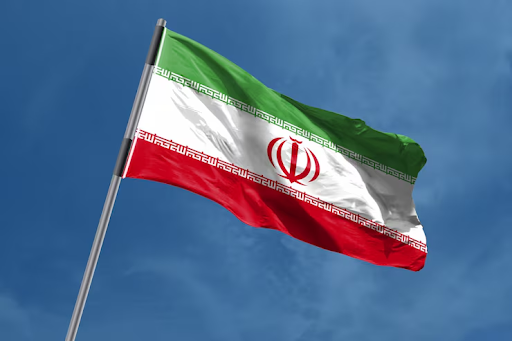
The US war against Iran was reshaping the global diplomatic landscape in real time on Wednesday, drawing in China, Turkey, Egypt, and Pakistan as active participants in a conflict with consequences far beyond the Middle East. China’s foreign minister engaged separately with his Turkish and Egyptian counterparts to push for a peaceful resolution, while Pakistan continued to serve as a critical back-channel between Washington and Tehran. The multi-actor nature of the diplomacy reflected the global stakes of a conflict that had sent oil prices surging and disrupted international trade.
Iran rejected the US ceasefire proposal and submitted its own five-point counter-demands, keeping the diplomatic process alive while resisting American terms. The White House maintained that discussions were productive and that face-to-face talks could begin as early as Friday. The involvement of so many regional and global powers in the mediation effort suggested that the international community recognised the conflict’s potential to spiral into something far larger.
Trump’s rescheduled trip to Beijing on May 14 introduced a diplomatic deadline that gave the negotiations additional urgency. The administration appeared to hope the war could be wrapped up before the president sat down with Chinese leadership, avoiding the awkwardness of discussing a still-active conflict with a country that had significant interests in its resolution. China had been careful to position itself as a constructive neutral rather than a party to the conflict.
Turkey’s involvement as a potential venue for direct US-Iran talks reflected Ankara’s enduring ambition to play a significant role in regional diplomacy. Pakistan’s position as a trusted intermediary for both sides gave it unusual influence in the current situation. Egypt, maintaining its historical role as a regional mediator, was working the diplomatic phones alongside its Gulf partners to find common ground.
The global dimensions of the conflict were visible in every facet of the situation. Oil prices had soared, affecting consumers and businesses worldwide. International shipping had been disrupted by Iran’s Hormuz blockade. The threat of expanded attacks on the Red Sea loomed. And the involvement of multiple nuclear-armed and near-nuclear states — the US, Israel, and Iran itself — gave the conflict a strategic weight that compelled global powers to take an active interest in its resolution.