
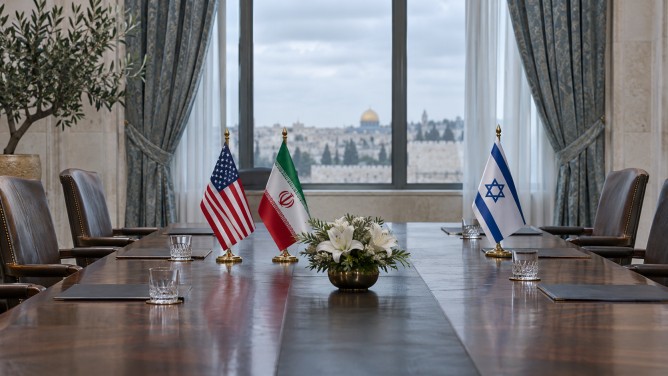
Ongoing peace talks between the United States, Iran, and Qatar face potential disruption due to Israeli Prime Minister Benjamin Netanyahu’s stance, according to officials involved in the negotiations. There is concern that Netanyahu might advocate for renewed military action against Iran, risking a resurgence of conflict that had largely calmed since April.
US President Donald Trump is navigating the delicate balance of pursuing diplomatic avenues while maintaining economic pressure on Iran. The Trump administration continues to enforce a blockade of Iranian ports and tighten sanctions, aiming to persuade Tehran to comply with American demands concerning its nuclear program and the Strait of Hormuz’s strategic significance.
Despite these pressures, Iran has expressed a willingness to engage in dialogue about its nuclear activities through Qatari intermediaries. Nonetheless, significant disagreements persist. Iran has dismissed demands to transfer its enriched uranium stockpiles abroad but is open to discussing reducing enrichment levels under United Nations oversight. Additionally, Tehran is seeking relief from sanctions and compensation for infrastructure damage sustained during previous conflicts, demands that Washington has thus far rejected. Another point of contention is Iran’s proposal to impose tolls on certain vessels traversing the Strait of Hormuz.
US Vice President JD Vance, who supports a diplomatic resolution, is reportedly worried about Netanyahu’s recurring calls for military action. Vance believes that Netanyahu has presented misleading evaluations of the conflict and its potential repercussions, which could jeopardize the ongoing negotiations.
Despite the challenges, some negotiators remain optimistic that a resolution—or at least a temporary arrangement—could be achieved to avert further escalation of hostilities. The outcome of these talks remains uncertain, as all parties continue to grapple with deep-seated disagreements and external pressures.