
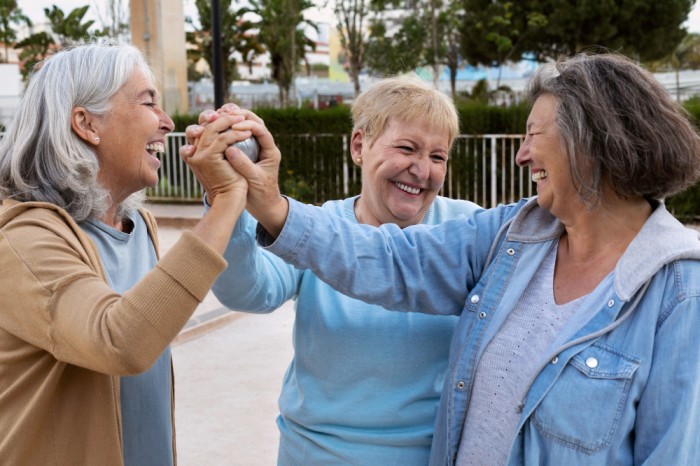
In retirement, a phase often associated with rest from professional duties, health experts advocate for continuing engagement in mentally stimulating activities. This engagement is crucial for maintaining cognitive health and overall well-being as one ages. Contrary to common beliefs, while ageing may slow certain cognitive functions, significant decline isn’t a foregone conclusion. Experts emphasize that regular mental challenges, along with physical and social activities, can help sustain brain activity, potentially enhancing memory, focus, and problem-solving skills.
Physical exercise plays a pivotal role in supporting brain health by promoting better blood flow and maintaining brain function. Activities like walking, yoga, cycling, and gardening are recommended for their benefits in preserving cognitive health. Retirement, however, can sometimes pose risks when it leads to isolation or a lack of routine and mental stimulation. Without engaging in daily tasks, social activities, or learning new skills, brain activity might diminish, leading to a decline in cognitive performance over time.
To counteract these risks, experts suggest retirees immerse themselves in new hobbies, volunteer opportunities, travel, mentoring the younger generation, or participating in community activities. These endeavors provide necessary mental stimulation and also enhance emotional well-being and a sense of purpose. Maintaining robust social connections is equally vital. Interacting with family, friends, or community groups fosters communication skills, memory retention, and decision-making abilities, while also minimizing the risks of loneliness and depression.
Health specialists assert that healthy ageing extends beyond merely preventing illnesses; it involves preserving independence, mental acuity, and quality of life. Staying active, curious, and socially engaged after retirement can significantly contribute to long-term brain health. By focusing on these aspects, retirees can enjoy a fulfilling and cognitively active life well into their later years.