
Israel is grappling with a significant reduction in water supply due to a large algae bloom along its Mediterranean coast, which has disrupted operations at five of the nation’s six main desalination plants. This development has prompted water authorities to urge residents to conserve water and has led to a halt in irrigation activities for farmers in the affected regions.
The algae bloom, stretching up to 100 kilometers, has clogged the filtration systems of these crucial desalination facilities, forcing temporary shutdowns and limiting their capacity. Experts have attributed this environmental issue to increased marine pollution, particularly from untreated wastewater discharged from Gaza. The conflict in Gaza has severely damaged its wastewater treatment infrastructure, resulting in approximately 45,000 cubic meters of untreated sewage being released into the Mediterranean daily.
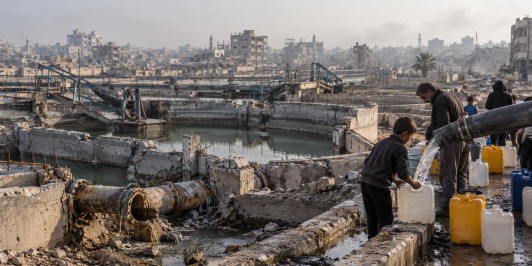
This environmental challenge reflects a broader water and sanitation crisis in Gaza, where all five wastewater treatment plants are currently out of service. This has led to significant public health concerns, with many residents relying on water trucks for their supply. The contamination of water sources and the presence of stagnant wastewater have heightened the risk of waterborne diseases, including diarrhea and skin infections.
Environmental organizations warn that the ongoing pollution poses a continued threat not just to Gaza but also to Israel’s desalination infrastructure and public health. Israeli environmental groups have called for the restoration of Gaza’s wastewater systems to mitigate further damage and avert wider environmental consequences.
The situation highlights the interconnected nature of environmental challenges in the region, with marine pollution threatening both the local ecosystem and the operational capacity of critical infrastructure. As efforts to address these issues continue, the emphasis remains on finding sustainable solutions to prevent further ecological and health impacts.