
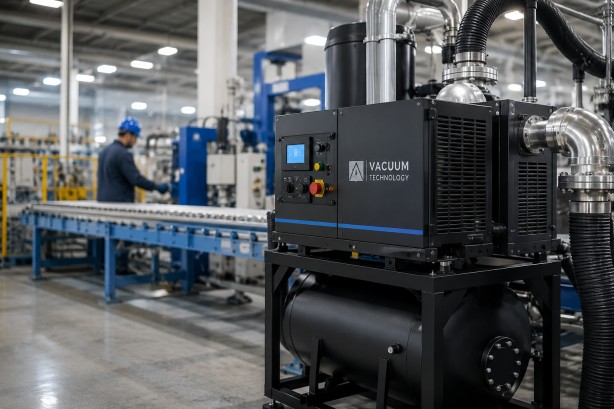
Recent advancements in vacuum technology are proving transformative for manufacturers aiming to boost efficiency, cut operating costs, and enhance process reliability. By transitioning from outdated vacuum pump systems to more sophisticated alternatives, businesses can significantly reduce energy consumption, lower maintenance needs, and improve long-term operational performance. Selecting the appropriate vacuum pump technology tailored to specific applications can make a notable difference in these areas.
Various vacuum pump technologies, such as rotary vane, dry claw, dry screw, and liquid ring pumps, can achieve comparable vacuum levels, although their efficiency is contingent on specific operating conditions. Critical factors, including the required vacuum range, variability in demand, resistance to contamination, maintenance requirements, and installation limitations, must be meticulously assessed to ensure optimal performance and efficiency.
Innovations in vacuum pump design have further propelled efficiency gains. The introduction of optimized compression chambers, advanced thermal management, wear-resistant materials, efficient filtration systems, and service-friendly construction have collectively contributed to reducing energy losses, extending the lifespan of equipment, and minimizing downtime. These advancements have made modern vacuum systems a compelling choice for industries seeking reliable and cost-effective solutions.
Moreover, improvements in motor technology have bolstered these efficiency gains. High-efficiency motors, including those in the IE5 class, are adept at converting electrical energy more effectively, thereby reducing operational costs. When paired with variable speed drives (VSDs), these motors can adjust their performance in response to fluctuating process demands, further preventing unnecessary energy expenditure and enhancing overall system efficiency.
For businesses, upgrading to contemporary vacuum systems translates to tangible benefits such as reduced energy bills, heightened equipment reliability, superior product quality, and lower carbon emissions. Some state-of-the-art vacuum pump designs have the potential to cut energy consumption by as much as 30%, while certain scroll vacuum pumps offer savings of up to 50% compared to traditional rough vacuum technologies. Although modern systems might demand a higher initial investment, industry experts emphasize that the resultant decrease in operating and maintenance costs, along with energy savings, can lead to a swift return on investment while fostering sustainability and operational resilience in the long term.
Legal Disclaimer: The information contained in this article has been provided by independent third-party contributors, clients, or content partners. We do not independently verify the accuracy, completeness, legality, ownership, licensing, or reliability of submitted content, including text, images, videos, trademarks, or other media materials. The submitting party is solely responsible for ensuring that all content, including images and media assets, complies with applicable copyright, trademark, licensing, and intellectual property laws. We disclaim liability for any unauthorized use of copyrighted or proprietary materials by third parties. If you believe that any content published on this platform infringes your intellectual property rights, kindly contact the author above for prompt review and resolution.