
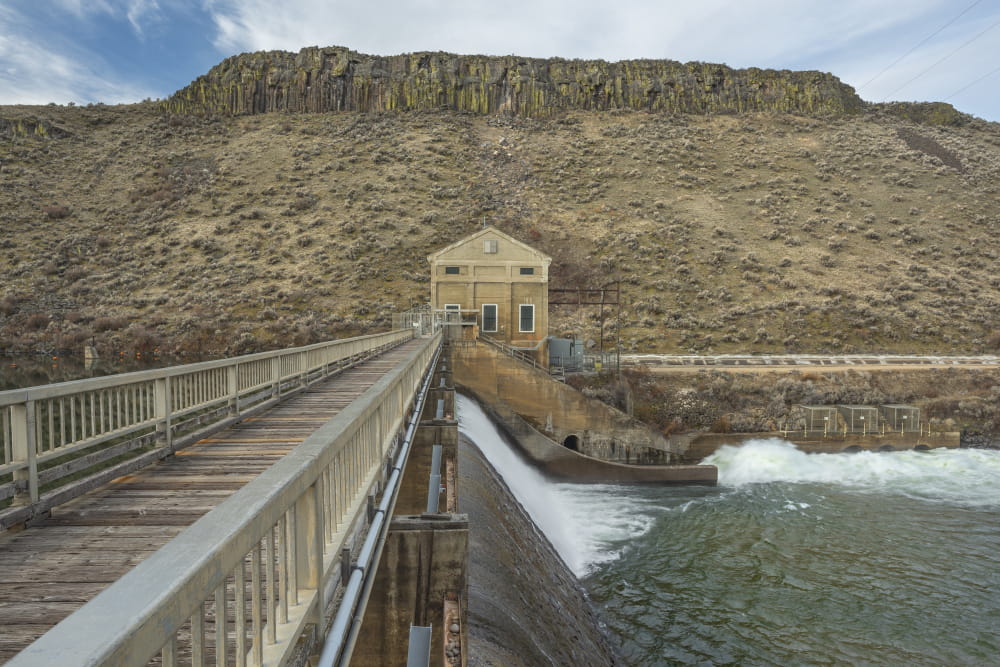
The Western Cape has experienced a series of intense cold fronts recently, resulting in a significant and much-needed increase in Cape Town’s dam levels. This development comes after officials had expressed “cautious concern” due to water levels being notably lower than those recorded the previous year. However, the recent heavy rainfall has shifted that concern towards a more optimistic outlook.
As of Wednesday, the combined storage capacity of the city’s six major dams has surged to 67.8%. This marks a substantial rise from the 48.3% recorded just a week earlier, underscoring the impact of the recent weather conditions. These dam levels are monitored by both the City of Cape Town and the National Department of Water and Sanitation to assess the available water resources and determine if water restrictions are necessary for residents and businesses.
The importance of these dam levels cannot be overstated, as they are crucial for maintaining Cape Town’s water supply. The dams are part of the Western Cape Water Supply System, a network that integrates and manages dams, pump stations, pipelines, and tunnels collectively. This system not only provides water to Cape Town but also supplies towns in the Overberg, Boland, West Coast, and Swartland regions, in addition to offering irrigation water for agricultural purposes.
The recent rise in dam levels is a welcome relief to the region, which has faced significant water challenges in the past. The improved water storage capacity is critical for both urban and agricultural needs, helping to ensure a stable supply for the coming months. As the situation continues to evolve, authorities remain vigilant in monitoring the water levels to make informed decisions about water management and potential restrictions.