
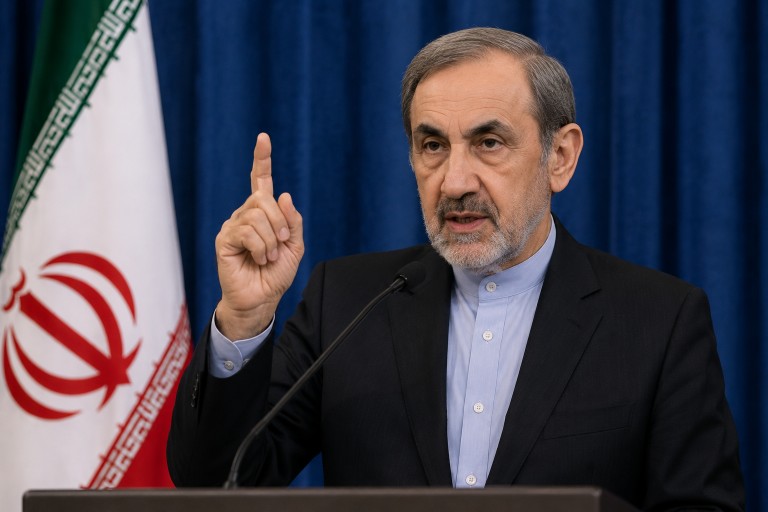
In a significant escalation of tensions, Iran has issued a stern warning to the United States following President Donald Trump’s announcement that an interim agreement meant to mitigate conflict between the two nations is now nullified. This statement, made by Ali Akbar Velayati, a senior adviser to Iran’s supreme leader, accuses the U.S. of reigniting hostilities in the Gulf region. Velayati asserted that Trump’s decision has steered the area back toward confrontation, emphasizing that Iran stands ready to respond immediately to any further military provocations.
Velayati’s remarks come in the wake of Trump’s comments during the NATO summit, where he declared the ceasefire agreement obsolete after Iran’s recent attacks on U.S. military installations in Bahrain and Kuwait. These attacks were reportedly a reaction to U.S. military strikes on Iranian interests, which were in retaliation for assaults on commercial ships navigating the Strait of Hormuz. Velayati underscored Iran’s readiness, stating that the nation has its “finger on the trigger” and would not be silenced by what it perceives as threats and provocations.
President Trump has not ruled out further military actions against Iran, suggesting that American forces might conduct additional strikes should Tehran continue its current course of action. He specifically indicated that strategic Iranian sites, such as Kharg Island, could potentially be targeted in future operations. This pronouncement signals a potential escalation in military engagements, adding to the already volatile atmosphere in the region.
The exchange of threats between the U.S. and Iran has further eroded hopes for reinstating the ceasefire, raising alarm over the possibility of a broader conflict in the Gulf. This ongoing tension poses a significant risk to regional security and stability, with global energy markets closely monitoring the situation for any disruption that might arise. The international community remains on edge, as the potential for conflict continues to loom over the Gulf region.