
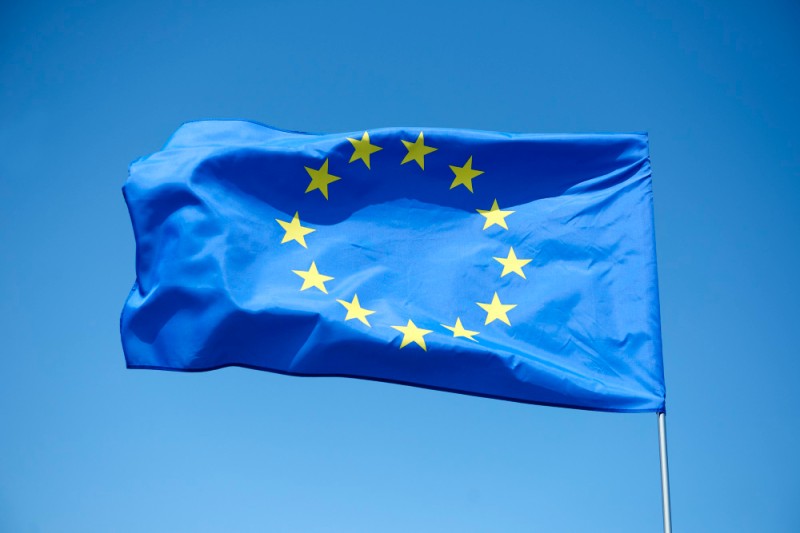
In Tivat, Montenegro, a significant summit unfolded as leaders from the European Union and six Western Balkan nations convened to explore ways of enhancing regional integration and advancing the EU’s enlargement agenda. The gathering included high-ranking European officials alongside representatives from Montenegro, Bosnia and Herzegovina, Albania, North Macedonia, Kosovo, and Serbia. The focus of the meeting was on fostering shared prosperity, stability, and closer ties with the EU.
Key topics at the summit involved discussions on economic reforms, security partnerships, defense coordination, and strategies to bolster resilience against cyber threats. European Union officials reiterated the strategic importance of enlargement and urged the candidate countries to continue implementing necessary reforms for EU membership. The gathering also evaluated the progress of the EU’s growth strategy for the Western Balkans, aimed at enhancing economic development and fortifying regional connections with the bloc.
Montenegro and Albania emerged as the front-runners among the candidates for future EU membership, demonstrating significant advancement in meeting accession criteria. In contrast, other countries in the region are encountering political and institutional hurdles on their path to joining the EU. Despite these challenges, the EU remains committed to its expansion plans, considering them a strategic priority.
Further discussions among European leaders are anticipated to address additional financial support and initiatives to expedite the accession process for those countries meeting the necessary qualifications. The commitment to providing assistance underscores the EU’s dedication to integrating the Western Balkans into its fold.
Amid the summit’s proceedings, regional tensions, particularly between Serbia and Montenegro, due to recent security-related disputes, were also highlighted. Nonetheless, officials underscored the necessity of dialogue and collaboration as essential components in the region’s journey toward European integration. The emphasis on constructive engagement remains crucial as these nations work toward closer alignment with the EU.