
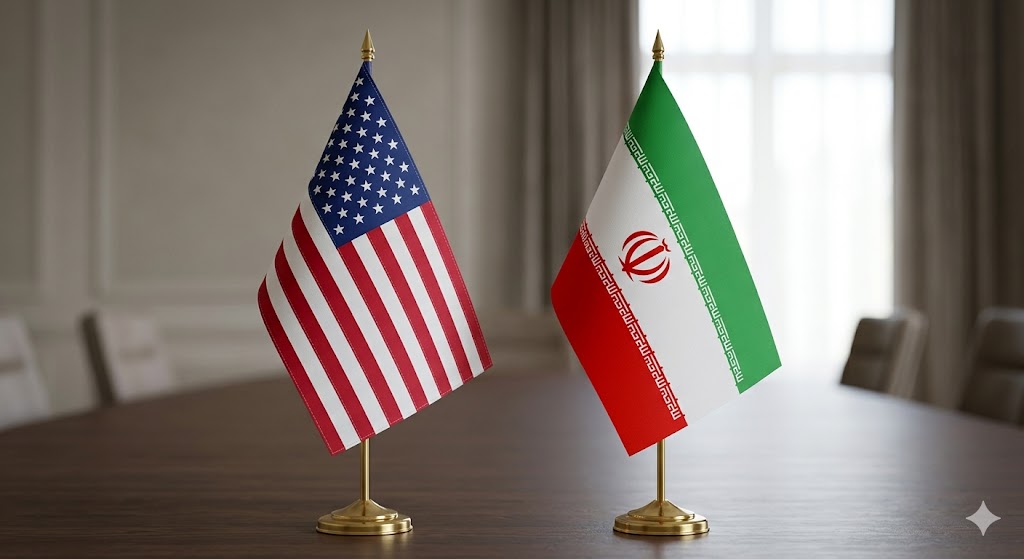
Plans for peace talks between the United States and Iran, intended to further discussions on Iran’s nuclear program and enhance regional stability, have been unexpectedly postponed. This decision follows a significant increase in hostilities between Israel and Hezbollah. The negotiations, which were set to occur in Switzerland, aimed to build upon a newly signed memorandum that established a framework for ongoing dialogue. However, the resurgence of violence along the Israel-Lebanon border necessitated the cancellation of the meeting.
The escalation erupted after Hezbollah initiated attacks against Israeli forces in southern Lebanon, leading to casualties among Israeli troops. In retaliation, Israel conducted extensive airstrikes on Hezbollah positions in southern Lebanon and the Bekaa Valley, resulting in numerous deaths and injuries. This renewed conflict has heightened concerns about the fragility of ceasefire efforts and complicated diplomatic initiatives currently underway.
Both Washington and Tehran had expressed a willingness to continue negotiations, but officials from both sides have acknowledged that the current conditions do not favor the resumption of talks. The violence has introduced uncertainty into the efforts aimed at easing tensions and achieving a comprehensive agreement regarding Iran’s nuclear activities.
In the wake of these developments, international leaders have called for restraint from all parties involved, urging adherence to ceasefire commitments to prevent further escalation. The postponement of these crucial talks injects additional uncertainty into the broader diplomatic efforts designed to secure long-term regional stability.
The delay underscores the complex interplay of regional dynamics and international diplomacy, as stakeholders seek to navigate a path forward amidst ongoing tensions. The future of the U.S.-Iran negotiations remains uncertain, as the situation demands careful management to avoid further deterioration and to foster conditions conducive to dialogue.