
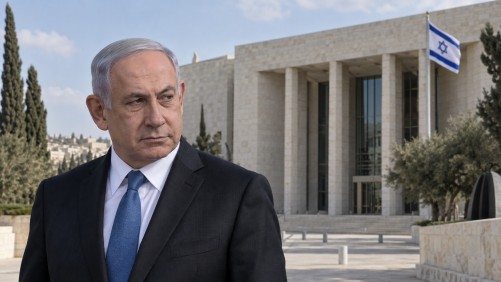
The proposed revival and expansion of Israel’s judicial reforms could significantly alter the balance of power within the country’s government, affecting not only the judicial system but also areas like media regulation and religious affairs. If implemented, the changes could limit the Supreme Court’s ability to intervene in legislative matters and alter the process of appointing justices, potentially reshaping the court’s composition.
Prime Minister Benjamin Netanyahu’s government, which had initially paused the judicial overhaul following the October 7 attacks and the establishment of a unity government, is moving forward with plans that have already sparked large-scale protests. The proposed reforms aim to fortify the Knesset by curtailing judicial intervention in decisions made by elected officials, a move proponents argue is crucial for enhancing democratic governance.
Under the new plan, the Supreme Court would face restrictions in striking down legislation, and limitations would be placed on who can petition the court. The process for appointing justices is also under scrutiny; the current system would be revised to reduce the influence of professional representatives, requiring cooperation between the coalition and opposition. In deadlock scenarios, each side would gain the power to appoint a justice.
The potential retirement of six more justices over the next three years, in addition to the four who have already retired, could grant Netanyahu’s government substantial influence over the court’s future composition. This has raised concerns among opposition lawmakers and legal experts, who warn that diminishing judicial oversight might weaken institutional checks on government power and increase political influence on the judiciary.
Critics also highlight the potential implications for public policy, particularly in media regulation and religious affairs, where government measures have already faced opposition. The debate over judicial reforms is expected to dominate the political landscape as Israel approaches its next election, with discussions likely centered on the Supreme Court’s role and powers within the nation’s governance structure.