
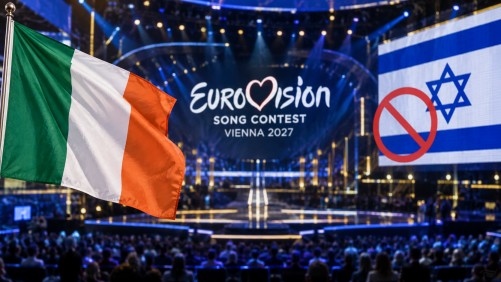
Ireland’s decision to skip the 2027 Eurovision Song Contest means its viewers will miss out on the popular international music event, as RTÉ, the national broadcaster, confirmed it will neither participate in nor broadcast the competition. This move stems from the broadcaster’s protest against the ongoing humanitarian crisis in Gaza, highlighting how geopolitical issues can have cultural and entertainment repercussions.
RTÉ’s stance reflects a broader concern over the situation in Gaza, where civilian casualties and restrictions on journalists have raised international alarm. The broadcaster stated that it remains firm in its decision, refusing to take part in Eurovision while the conflict continues, thus prioritizing humanitarian considerations over entertainment.
The European Broadcasting Union (EBU), responsible for organizing Eurovision, has acknowledged Ireland’s position, expressing hope that the country might rejoin future contests. The EBU’s response underscores the challenging balance between maintaining a global cultural event and respecting the ethical stances of its participants.
This is not the first instance of Ireland withdrawing from Eurovision for political reasons. The country, along with the Netherlands, Spain, Iceland, and Slovenia, also boycotted the 2026 edition after the EBU allowed Israeli participation. While the Netherlands has hinted at a similar stance for 2027, other countries have yet to announce their decisions, leaving room for potential shifts in participation as the event approaches.
Scheduled to occur in Burgas, Bulgaria, in May 2027, the Eurovision Song Contest remains a significant cultural event, despite these challenges. As countries like Ireland navigate their participation decisions, the intersection of politics and culture continues to shape the landscape of international entertainment events.