
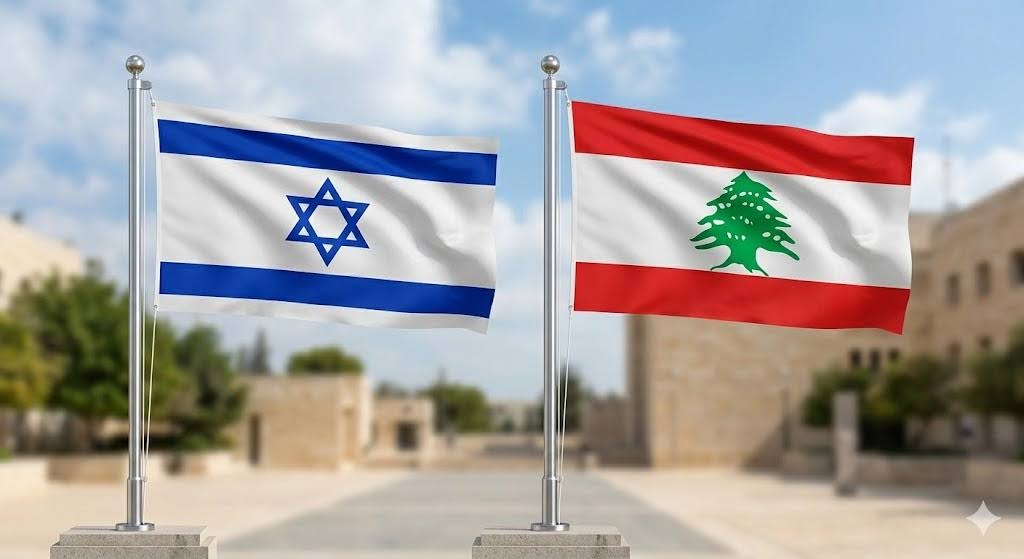
In a significant diplomatic development, Israel and Lebanon have reached an agreement to renew a ceasefire aimed at halting hostilities along their shared border. This renewed commitment is part of ongoing efforts to ease tensions in the Middle East. As per the terms of the agreement, Hezbollah fighters are expected to cease their attacks and retreat from areas located south of the Litani River in southern Lebanon. Additionally, the deal stipulates that specific security zones will be established, where the Lebanese Armed Forces will maintain exclusive control, effectively minimizing the presence of non-state armed groups.
Despite the formal announcement of the ceasefire, reports have emerged indicating continued military activities in some regions of southern Lebanon. This underscores the challenges that lie ahead in fully implementing the ceasefire on the ground. Nevertheless, the renewed truce marks an important step forward in the ongoing negotiations aimed at reducing instability in the region. Further discussions are anticipated to iron out the finer details and manage the phased implementation of the ceasefire agreement.
The backdrop of these developments includes the United States’ broader diplomatic efforts, which seek to achieve progress in engagements involving Iran. The region remains fraught with tension, exacerbated by recent military incidents in the Gulf and the persistent disputes over the influence of Iran-backed groups, adding complexity to the negotiations.
Analysts suggest that the successful implementation of the Israel-Lebanon ceasefire could have a significant impact on future diplomatic endeavors, potentially enhancing the prospects for broader regional stability. This ceasefire’s success could serve as a template for resolving other regional conflicts, furthering diplomatic efforts aimed at achieving long-term peace in the Middle East.